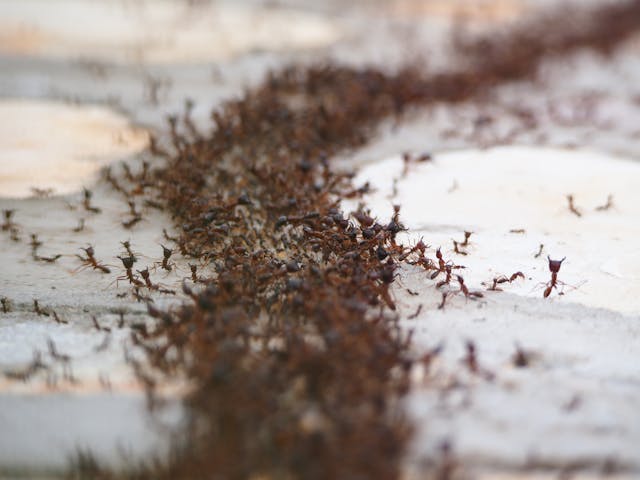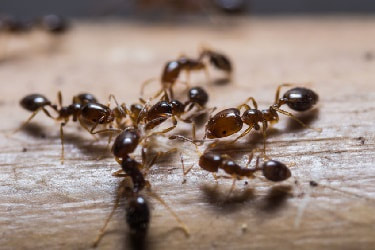
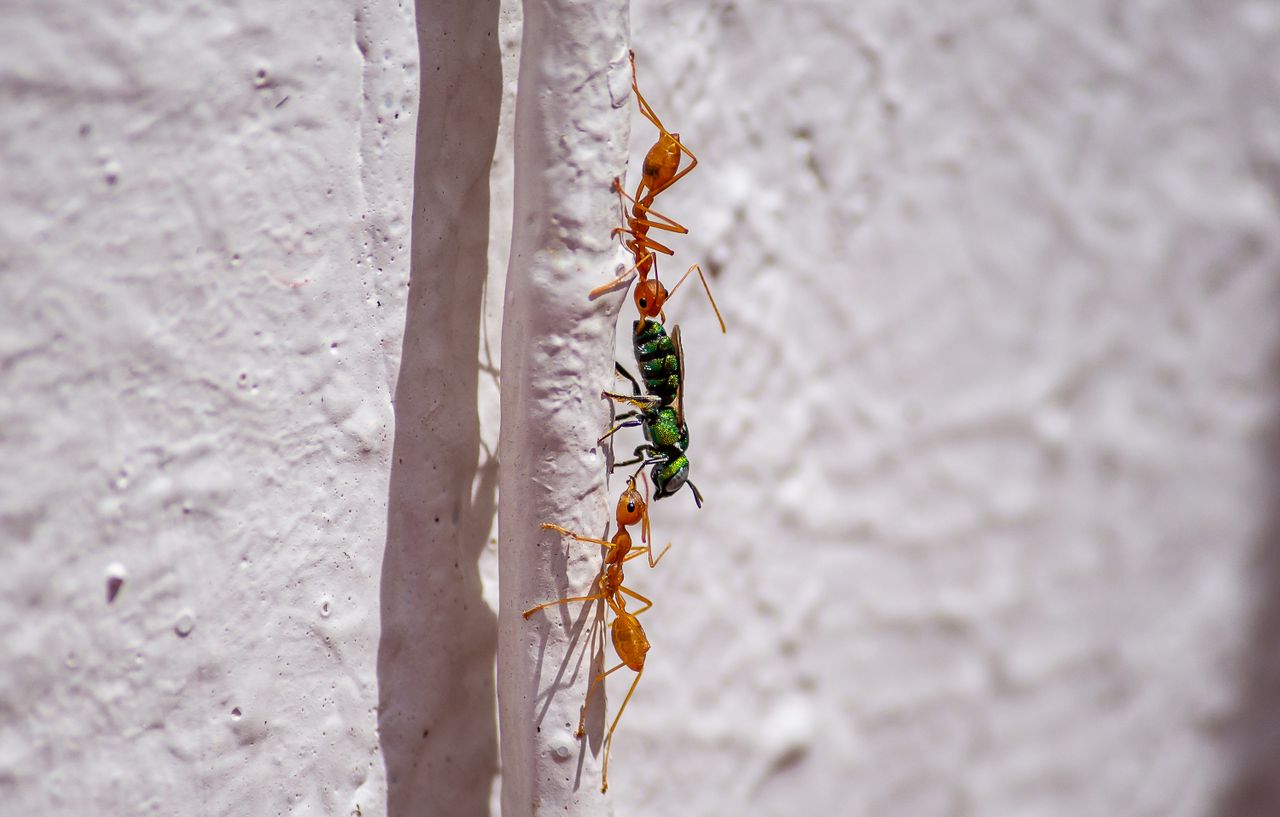
If you’ve spotted a thin trail of ants marching across your kitchen counter or found a cluster of them near your window sill, you’re dealing with one of the most common household pest complaints across Canada. Ants may be tiny, but once they find a way into your home, they can multiply fast and become a persistent nuisance. Understanding why they’re coming in, and what actually works to stop them, can save you a lot of frustration.
Why Ants Invade Homes in the First Place
Ants don’t wander into your house by accident. They’re driven by three basic needs: food, water, and shelter. Your kitchen, with its crumbs, spilled juice, and pet food bowls, is essentially an all-you-can-eat buffet from an ant’s perspective. Bathrooms and areas near pipes offer moisture, which certain species, like carpenter ants, are especially drawn to.
Weather plays a big role too. During hot, dry summers, ants often move indoors searching for water. Conversely, heavy rain can flood outdoor colonies, pushing ants to seek higher, drier ground, which often means your foundation and walls. And as temperatures drop heading into fall, ants instinctively look for warm, sheltered spots to survive the colder months. This means Canadian homeowners can see ant activity spike during multiple points in the year, not just in summer.
The Usual Suspects: Common Ant Species in Canadian Homes
Not all ants behave the same way, and knowing which species you’re dealing with can make a real difference in how you handle them.
- Odorous house ants are among the most common invaders. They’re small, dark, and emit a distinct rotten-coconut smell when crushed. They’re notorious for forming long trails straight to food sources.
- Carpenter ants are larger and far more concerning, since they tunnel through wood to build nests, potentially causing structural damage over time. Finding sawdust-like debris near baseboards or window frames is a red flag.
- Pavement ants typically nest under sidewalks, driveways, and foundations, but they’ll happily forage indoors if there’s food nearby.
Each of these species requires a slightly different approach, which is one of the reasons generic store-bought sprays often provide only temporary relief.
How Ants Get In: The Entry Points You’re Probably Missing
Ants are remarkably good at exploiting even the smallest gaps. Common entry points include:
- Cracks in the foundation or exterior walls
- Gaps around window and door frames
- Spaces where utility lines or cables enter the home
- Poorly sealed vents or weatherstripping
- Overhanging tree branches that touch the roof or siding
Because ants leave invisible pheromone trails to guide other worker ants to food, even a single scout finding its way in can lead to a much bigger trail within days.
DIY Methods That Can Help (Temporarily)
There are several home remedies that can reduce ant activity, especially for minor or early-stage issues:
- Wipe down surfaces with vinegar to disrupt pheromone trails and discourage ants from returning to the same path.
- Seal visible cracks and gaps using caulk around windows, doors, and foundation lines.
- Store food in airtight containers, particularly sugary or greasy items that attract ants most.
- Keep countertops and floors crumb-free, especially in kitchens and dining areas.
- Trim vegetation away from the exterior of your home to remove natural bridges ants use to reach your roofline or siding.
These steps can help manage small, occasional ant sightings, but they rarely solve an established infestation, particularly with species like carpenter ants that nest deep within wall voids or wood structures.
Why DIY Solutions Often Fall Short
The problem with most consumer ant sprays and baits is that they only kill the ants you can see. Ant colonies function with a queen safely tucked away in a nest, often somewhere inaccessible like inside a wall cavity or underground. Killing worker ants without eliminating the colony simply means more ants will emerge to replace them within days.
This is exactly why so many homeowners eventually turn to professional ant control in Toronto when DIY approaches stop making a dent in the problem. A trained technician can identify the species, locate the nest, and apply targeted treatments that address the root of the infestation rather than just the visible symptoms.
What Professional Ant Control Actually Involves
Effective ant control in Toronto typically goes well beyond spraying visible trails. Professionals usually start with a full inspection to identify species and entry points, then use a combination of targeted baiting, exclusion techniques, and, when necessary, treatments aimed directly at the nest. Baiting is particularly effective because worker ants carry the bait back to the colony, ultimately reaching the queen and disrupting the colony’s ability to reproduce.
Many pest control companies also offer seasonal or ongoing maintenance plans, which can be especially useful in Canadian climates where ants may return as seasonal conditions shift throughout the year.
When It’s Time to Call in Help
If you’re seeing ants daily despite cleaning efforts, noticing sawdust-like material near wooden structures, or dealing with recurring trails no matter how many entry points you seal, it’s a strong sign the colony is well established. At that point, reaching out for professional ant control in Toronto isn’t overkill, it’s the most efficient way to actually solve the problem instead of managing it indefinitely.
Ants invade homes for simple reasons: food, water, and shelter, and Canadian weather patterns make certain seasons especially prone to indoor activity. While cleaning habits and basic sealing can help keep minor issues in check, a real infestation usually requires targeted, professional treatment to eliminate the colony at its source. Acting early, before the problem spreads through your walls or foundation, will always save you time, money, and a lot of unwanted houseguests.