
If you’ve ever gotten quotes for dealing with a bed bug infestation, you’ve probably noticed a significant price gap between heat treatment and traditional chemical options. It’s a fair question to ask: is that extra cost actually justified, or is chemical treatment just as effective for a fraction of the price? The honest answer is that it depends on your specific situation, but understanding how each method actually works makes the decision a lot easier.
How Chemical Treatment Works
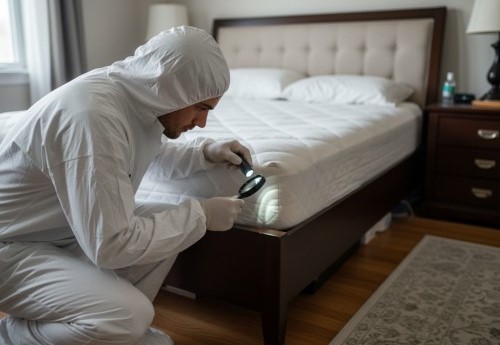
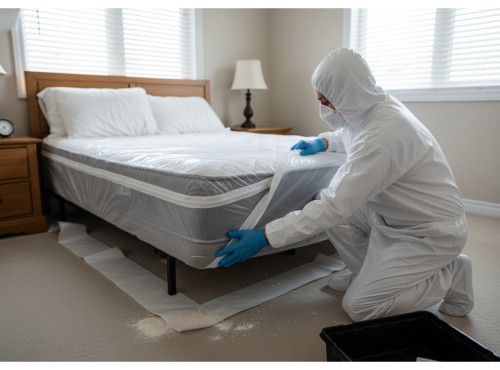
Chemical bed bug treatment has been the industry standard for decades, and for good reason. It typically involves applying insecticides, often a combination of contact killers and residual products, directly to infested areas: mattress seams, baseboards, furniture joints, and cracks along walls and floors. Residual chemicals are designed to remain active for days or weeks after application, killing bed bugs that emerge from hiding spots after the initial treatment.
The biggest advantage of chemical treatment is cost. It’s generally far more affordable upfront compared to heat treatment, and for smaller or less severe infestations, it can be highly effective. Many chemical treatments also come with lasting residual protection, which can help prevent a return infestation for a period after service.
However, chemical treatment has limitations. Bed bugs are notorious for hiding in places sprays simply can’t reach, deep inside electrical outlets, behind wallpaper, or inside furniture frames. This often means multiple treatment visits are necessary, sometimes three or four sessions spaced a couple of weeks apart, to fully break the infestation cycle. Pesticide resistance is also a growing concern, since some bed bug populations have developed tolerance to common insecticides over the years, reducing the effectiveness of chemical-only approaches.
How Heat Treatment Works
Heat treatment takes an entirely different approach. Instead of relying on chemicals, technicians raise the temperature of an entire room, or sometimes an entire home, to a level that’s lethal to bed bugs at every life stage: eggs, nymphs, and adults alike. Specialized heaters and fans circulate hot air throughout the space, typically maintaining temperatures between 118°F and 135°F (48°C to 57°C) for several hours to ensure complete penetration into furniture, walls, and hard-to-reach crevices.
The biggest advantage of heat treatment is thoroughness. Because heat penetrates areas that sprays physically cannot, it addresses hiding spots that chemical treatments often miss. It also works in a single session in most cases, since heat doesn’t rely on bed bugs coming into contact with a residual chemical after the fact. And because it’s a physical rather than chemical process, there’s no concern about pesticide resistance affecting results.
That said, heat treatment comes with real trade-offs. It’s significantly more expensive, often two to three times the cost of chemical treatment, due to the specialized equipment and extended labor required. It also demands more preparation, since heat-sensitive items like candles, electronics, and certain plastics need to be removed from the space beforehand. And unlike chemical treatment, heat leaves no residual protection once the process is complete, meaning if new bed bugs are introduced afterward, there’s nothing left behind to stop a fresh infestation from taking hold.
Comparing Effectiveness
When it comes to sheer effectiveness against an existing infestation, heat treatment generally has the edge, particularly for severe or widespread cases. Because it eliminates bed bugs at every life stage in a single application and reaches areas chemicals can’t penetrate, many pest control professionals consider it the more reliable option for eliminating an infestation completely and quickly.
Chemical bed bug treatment, while still effective, often requires a more patient, multi-visit approach, and results can vary depending on the specific products used and whether resistance is a factor in your area. For minor, early-stage infestations confined to a single piece of furniture, chemical treatment can absolutely get the job done, especially when combined with encasements and diligent monitoring.
So Which One Is Actually Worth the Money?
The right choice really comes down to a few key factors:
- Severity of the infestation: Larger, more established infestations often benefit more from the thoroughness of heat treatment, while smaller, contained problems may be resolved effectively with chemical treatment.
- Timeline: If you need a fast resolution, heat treatment’s single-session approach is generally quicker than the multi-visit process chemical treatment usually requires.
- Budget: Chemical treatment remains the more accessible option for homeowners working with tighter budgets, particularly for smaller infestations.
- Long-term prevention: If reintroduction is a concern, such as in apartment buildings or shared walls, the residual protection from chemical treatment might offer added peace of mind that heat treatment doesn’t provide on its own.
In many cases, professionals actually recommend a combined approach: using heat treatment to eliminate the existing infestation quickly and thoroughly, followed by a chemical application to provide residual protection against reintroduction. This hybrid strategy often delivers the best of both methods, without requiring you to choose one exclusively over the other.
So, is heat treatment worth the extra cost? For moderate to severe infestations, or situations where speed and thoroughness matter most, the answer is often yes. It reaches hiding spots chemicals can’t, works in a single session, and sidesteps concerns about pesticide resistance entirely. But chemical treatment isn’t obsolete, it remains a cost-effective, genuinely useful option for smaller infestations and offers residual protection heat simply can’t match.
Ultimately, the most effective bed bug treatment plan often depends on the specifics of your infestation rather than a one-size-fits-all answer. A professional assessment can help determine which approach, or combination of approaches, will actually solve your problem most efficiently, rather than leaving you to guess based on price alone.