You cleaned everything, set out bait traps, maybe even had the unit sprayed. For a few weeks, things looked better. Then one night you flip on the bathroom light and there it is again, a cockroach darting under the sink.
If you live in a basement apartment in Toronto, this cycle is frustrating but very common. Basement units have a unique set of conditions that make them almost ideal for roaches. Understanding why they keep returning is the first step to finally getting rid of them.
Basements Give Roaches Exactly What They Need
Cockroaches need three things to survive: moisture, warmth, and food. Basement apartments tend to deliver all three without even trying.
- Moisture is the big one. Toronto basements often deal with high humidity, especially in summer, along with condensation on cold water pipes, slow drain leaks, and damp foundation walls. German cockroaches, the most common species in Toronto homes, can survive weeks without food but only days without water.
- Warmth comes from furnaces, water heaters, and laundry machines, which are often located in or right next to basement units. Roaches love the stable heat around these appliances.
- Food doesn’t have to mean a messy kitchen. Crumbs under the stove, grease behind the range, pet food, cardboard, and even the glue in book bindings can keep a colony going.
The Real Reasons Roaches Keep Coming Back
When an infestation returns after treatment, it’s rarely bad luck. Usually, one or more of these issues is at play.
1. The Eggs Survived
This is the most common reason. Female German cockroaches carry egg cases, each holding dozens of nymphs. Many sprays kill adult roaches but don’t penetrate these protective cases. A few weeks after treatment, a new generation hatches and the problem starts over.
That’s why effective treatment almost always needs a follow-up visit timed to catch newly hatched roaches before they can reproduce.
2. The Source Is Upstairs or Next Door
In Toronto, basement apartments are usually part of a house with one or two other units above. Roaches don’t respect property lines. They travel through:
- Shared plumbing stacks and drain lines
- Electrical conduits and wall cavities
- Gaps around heating ducts and vents
- Spaces under shared doors and stairwells
If only your unit gets treated while the upstairs kitchen still has an active colony, roaches will simply migrate back down. This is why whole-building treatment often makes the difference.
3. DIY Sprays Made Things Worse
Store-bought aerosol sprays feel productive, but they often backfire. Many contain repellents that scatter roaches deeper into walls, ceilings, and neighboring spaces rather than killing the colony. Some can even interfere with professional baits, since roaches avoid areas that smell of repellent chemicals.
4. Hidden Entry Points Weren’t Sealed
Basement units tend to have more cracks and openings than upper floors. Common ones include:
- Gaps where pipes enter through walls or floors
- Cracks in foundation walls and floor slabs
- Floor drains without proper covers
- Worn weatherstripping on basement entry doors
- Openings around dryer vents and window wells
Treatment can clear out what’s inside, but if these openings stay open, new roaches will keep finding their way in.
5. Clutter Is Giving Them Places to Hide
Basement apartments often double as storage spaces. Cardboard boxes, stacks of paper, and piles of stored items create dark, undisturbed hiding spots. Cardboard is especially bad since roaches like to nest in its corrugated layers, and it can carry egg cases from one place to another.
6. The Treatment Wasn’t Thorough Enough
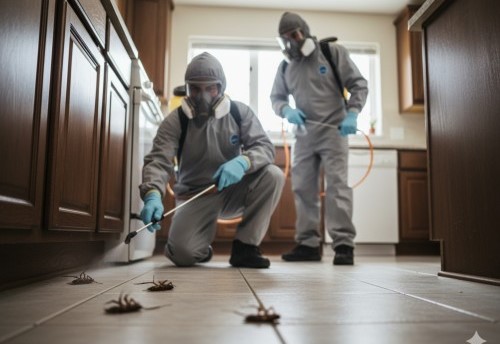
A quick spray along the baseboards isn’t a real treatment plan. Professional cockroach pest control in Toronto focuses on finding where roaches actually live, which is often behind appliances, inside cabinet hinges, under sinks, and inside wall voids, then targeting those spots directly.
How to Break the Cycle for Good
Getting rid of roaches permanently means combining professional treatment with a few changes at home. Here’s what actually helps.
Control the Moisture
Since moisture is the biggest draw in basements, start here:
- Run a dehumidifier, aiming to keep indoor humidity between 30% and 50%
- Fix dripping faucets and leaky pipes promptly
- Insulate cold water pipes to reduce condensation
- Don’t leave wet towels, mops, or dish rags lying around overnight
- Keep floor drains covered or plugged when not in use
Cut Off Food Sources
- Store dry food in sealed plastic or glass containers
- Clean behind and under the stove and fridge every few weeks
- Don’t leave dishes in the sink overnight
- Take garbage and recycling out regularly and use bins with tight lids
- Pick up pet food bowls at night
Seal the Gaps
Use caulk to close cracks along baseboards, around pipes, and in cabinet backs. Steel wool or expanding foam works well for larger gaps around plumbing. Replace worn door sweeps and weatherstripping on basement entrances.
Get Rid of Cardboard
Switch to plastic storage bins with lids. They’re much harder for roaches to nest in, and they make it easier to inspect stored items.
Coordinate With Your Landlord and Neighbors
If you rent, report the problem to your landlord in writing. In Ontario, landlords are generally responsible for pest control in rental units. Ask whether the upstairs units will be treated too. A single-unit treatment in a multi-unit house often leads straight back to reinfestation.
What Professional Treatment Should Look Like
Not all pest control is equal. A proper treatment plan for a basement apartment should include:
- A detailed inspection to locate harborage areas, entry points, and moisture issues
- Gel baits placed in cracks and crevices where roaches feed and hide
- Insect growth regulators that stop nymphs from developing into breeding adults
- Targeted dust applications in wall voids and other hard-to-reach areas
- Follow-up visits to deal with newly hatched roaches
- Prevention advice tailored to your unit’s layout and conditions
When choosing a provider for cockroach pest control in Toronto, ask whether follow-up visits are included and whether they’ll coordinate treatment for adjoining units. These two factors have a big impact on long-term results.
Signs the Problem Isn’t Fully Gone
Even after treatment, keep an eye out for:
- Live roaches during the day, which often signals a larger population
- Small, dark droppings that look like pepper or coffee grounds
- Brown, capsule-shaped egg cases in corners or cabinets
- A musty, oily smell in kitchens or bathrooms
- Shed skins near baseboards or appliances
Spotting a few dying roaches in the first week or two after treatment is normal, since baits take time to work through the colony. But steady sightings a month or more later mean something was missed.
Cockroaches keep coming back to Toronto basement apartments because these spaces offer moisture, warmth, hiding spots, and easy access from neighboring units. Quick fixes rarely solve the problem because they miss the eggs, the entry points, or the source of the infestation.
Lasting results come from a combination of thorough professional treatment, follow-up visits, moisture control, and sealing up the gaps roaches use to get inside. If you’re tired of the cycle, reliable cockroach pest control in Toronto can help you identify what’s causing the comeback and stop it at the source.