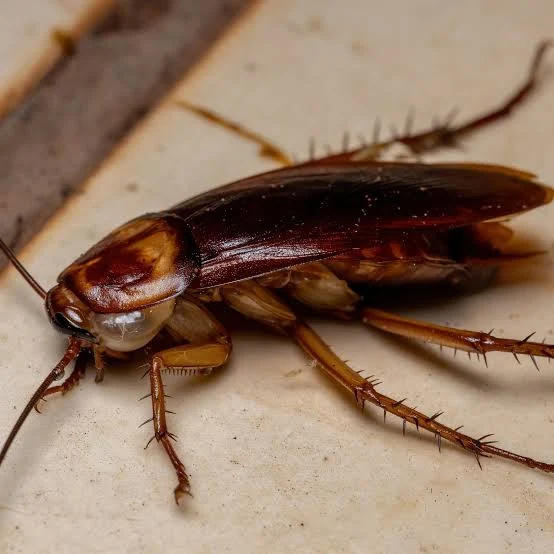
Finding a cockroach in your rental unit is unpleasant. Finding ten of them behind the fridge is a whole different problem. Once the shock wears off, most tenants ask the same thing: who is supposed to pay for this?
In Ontario, the short answer is the landlord. But there are a few exceptions, some steps you need to follow, and a handful of mistakes that can weaken your position. Here’s what both tenants and landlords should know.
What Ontario Law Says About Pest Control
The main law covering rentals in this province is the Residential Tenancies Act, 2006 (RTA). Section 20 of the Act requires landlords to keep rental units and the building in a good state of repair, fit for people to live in, and compliant with health, safety, and maintenance standards.
A cockroach infestation fails that test. Roaches spread bacteria, contaminate food, trigger allergies, and can worsen asthma, especially in children. Because of this, pest control is treated as a maintenance obligation, the same way a broken furnace or a leaking pipe would be.
On top of the RTA, two other layers of rules apply:
- Provincial maintenance standards (O. Reg. 517/06): These set baseline requirements for rental housing, including keeping units free of pests.
- Municipal property standards bylaws: Most Ontario cities, including Toronto, Mississauga, Brampton, and Vaughan, have bylaws requiring rental properties to be kept free of insects and rodents.
In practice, that means the landlord is responsible for arranging and paying for treatment. It also doesn’t matter what the lease says. A clause stating that “the tenant is responsible for all pest control” doesn’t override the RTA, and any lease term that conflicts with the Act is void.
Is the Landlord Always Responsible?
Not always, but the exceptions are narrower than many landlords assume.
The landlord’s duty to deal with the infestation stays in place no matter how the roaches got there. What can change is who ultimately covers the cost. Under the RTA, tenants are responsible for ordinary cleanliness in their unit and for undue damage caused by them or their guests, whether intentional or through negligence.
So if a landlord can clearly show that a tenant caused the infestation, they may be able to apply to the Landlord and Tenant Board (LTB) to recover some or all of the treatment cost. Examples might include:
- Garbage and food waste left piling up for weeks
- Severe clutter or hoarding that gives roaches places to breed
- Refusing entry for scheduled treatments, allowing the problem to spread
- Ignoring prep instructions so a treatment fails and has to be repeated
The key word is proof. Cockroaches travel easily through shared walls, plumbing, and electrical conduits in apartments and townhouses. In a multi-unit building, it’s often impossible to pinpoint where an infestation started, which is why the LTB rarely puts the full bill on a tenant.
Even when a tenant is at fault, the landlord still has to treat the problem first and seek reimbursement afterward. They cannot simply leave the unit infested until the tenant pays.
What Tenants Should Do When They Spot Cockroaches
Acting quickly protects your health and your legal position. Here’s a practical sequence to follow:
- Notify your landlord in writing. Email or a dated letter works best. Describe what you’ve seen, where, and how often.
- Document everything. Take photos or short videos of the roaches, droppings, and egg cases. Keep a simple log with dates.
- Give reasonable time to respond. For an active infestation, a landlord should arrange an inspection within days, not weeks.
- Cooperate with treatment. Allow access with proper notice (24 hours’ written notice is the standard for entry) and follow every prep instruction you receive.
- Keep up with basic cleanliness. Wipe counters, store food in sealed containers, take out garbage regularly, and fix any leaks you’re aware of.
Step 4 is where many disputes start. A professional cockroach exterminator will usually ask tenants to empty kitchen cabinets, clear areas under sinks, and stay out of the unit for a few hours after treatment. Skipping these steps can make the treatment less effective, and it gives the landlord grounds to argue that the tenant contributed to the problem.
What If the Landlord Ignores the Problem?
Some landlords drag their feet or try a cheap store-bought spray and call it done. If that happens, you have options:
- Call your municipal bylaw office. In Toronto, you can contact 311. A property standards inspector can visit and issue an order requiring the landlord to treat the unit.
- File a T6 application with the LTB. This is the Tenant Application about Maintenance. The Board can order repairs, reduce your rent (a rent abatement), or award compensation for damaged belongings.
- Keep paying your rent. This one is important. Withholding rent without an LTB order can lead to an eviction application against you, even if your complaint is completely valid.
Why DIY Treatment Usually Doesn’t Work
Cockroaches are tough to get rid of. A single female German cockroach can produce several egg cases in her lifetime, each holding dozens of nymphs. Over-the-counter sprays tend to scatter roaches into walls and neighboring units rather than eliminating the colony.
Professional treatment typically involves:
- A thorough inspection to find harborage areas and entry points
- Targeted gel baits placed where roaches feed and hide
- Insect growth regulators that stop nymphs from maturing
- Crack-and-crevice treatments along baseboards, cabinets, and appliances
- One or more follow-up visits to catch newly hatched roaches
For landlords, hiring a licensed cockroach exterminator early is almost always cheaper than dealing with a building-wide infestation, a bylaw order, or an LTB hearing later on. It also creates a paper trail showing you met your legal obligations.
Tips for Landlords Managing Rental Properties
If you own or manage rentals in the GTA, a few habits can save you money and headaches:
- Respond fast. Book an inspection as soon as a tenant reports a sighting.
- Treat neighboring units too. In apartments and semi-detached homes, treating one unit alone often leads to reinfestation.
- Give tenants clear prep instructions in writing, along with proper notice of entry.
- Seal entry points. Gaps around pipes, cracked grout, and worn door sweeps all invite roaches in.
- Keep records of every complaint, inspection, treatment, and invoice.
- Schedule routine inspections in older or higher-turnover buildings, where roaches are more common.
In Ontario, landlords are legally responsible for arranging and paying for cockroach treatment in rental units. Tenants play a part too, by reporting problems promptly, keeping their units reasonably clean, and cooperating with treatment. Only in clear cases of tenant negligence can a landlord seek to recover the cost, and even then, the landlord has to deal with the infestation first.
Whether you’re a tenant who needs your landlord to act or a property owner who wants the problem gone for good, working with an experienced cockroach exterminator is the fastest way to protect your home, your health, and your peace of mind.
This article is for general information only and isn’t legal advice. For specific disputes, contact the Landlord and Tenant Board or a licensed legal professional.